
Learning Science That Inspires People, Strengthens Teams, and Changes Behavior
Creating Learning Experiences that Inspire and Save Lives
Explore keynote presentations and speaking topics designed to help organizations strengthen safety, engagement, leadership, and workforce performance through the science of learning. Dr. Gina Anderson combines learning science, research, real-world experience, and storytelling to create experiences that move audiences from ideas to action. For example, Dr. Anderson’s TEDx talk, The Power of Presence, explores how small moments of microlearning and human connection can lead to meaningful change. With nearly 5,000 organic views, the message continues to reach people beyond the stage, reflecting a growing conversation about how we learn, connect, and move forward.
More Content Doesn’t Automatically Create More Learning
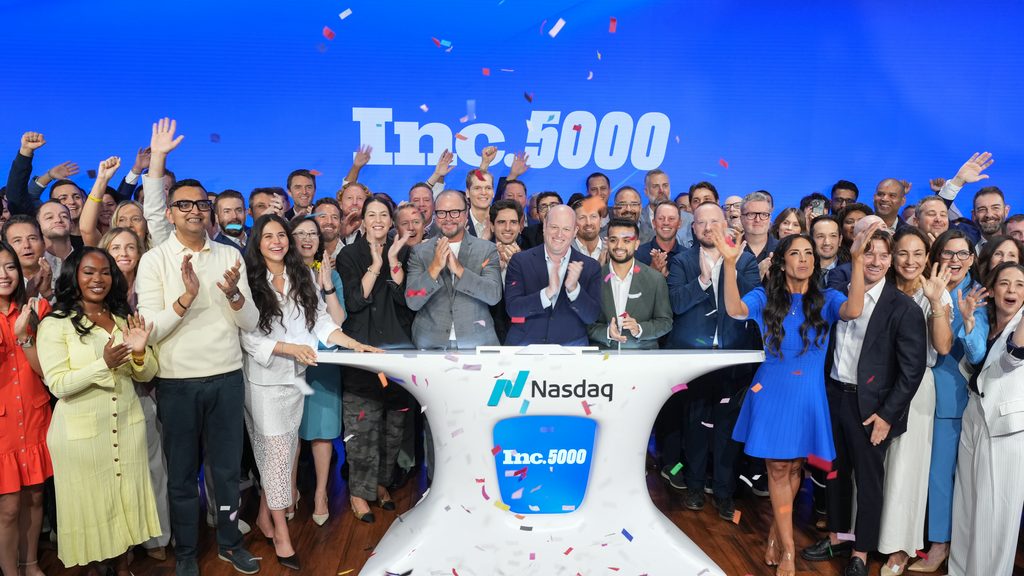
As organizations gain access to more content, technology, and artificial intelligence, one challenge remains: content alone does not change how people think, feel, connect, or perform. Meaningful learning requires engagement, human connection, reflection, practice, and opportunities to apply what we learn. Dr. Gina Anderson brings this philosophy to both her research and her leadership. Under her leadership, Luma Brighter Learning has earned repeated recognition on the Inc. 5000 list of America’s fastest-growing private companies, a milestone the team celebrated together in Times Square. For Dr. Anderson, growth is not simply about numbers; it is about the people, learning, and connections that make growth possible.
Where Learning Science Meets Leadership
Drawing on more than 25 years of studying how adults learn, Dr. Gina Anderson brings learning science, research, storytelling, and real-world leadership to every keynote. As CEO and co-founder of one of America’s fastest-growing private companies and a member of the Inc. Masters leadership community, she understands firsthand what it takes to lead people, build culture, and navigate growth. Her journey from the classroom to the C-suite ultimately led to the rare opportunity to ring the Nasdaq bell, experiences she brings to the stage to inspire learning, connection, and meaningful change.
Explore Dr. Gina Anderson’s Keynotes Grounded in Learning Science
Audiences leave with practical, research-informed strategies they can immediately apply to strengthen learning, improve engagement, build connection, and create meaningful change within their organizations. Books, tools, and educational resources also be incorporated into speaking engagements to extend learning beyond the event. Talks can be customized for specific events.

What’s Not Being Said: The Neuroscience of Trust, Leadership, and Learning
What if the greatest challenge in leadership isn’t strategy, performance, or productivity, but the conversations that never happen?
In this highly interactive and research-informed session, Dr. Gina Anderson, learning scientist, speaker, and author of Thrive: How Learning Can Ignite a New Way Forward, explores the neuroscience behind trust, psychological safety, emotional connection, and workplace culture. Drawing from learning science, neuroscience research, and real-world leadership experiences, participants will discover how human connection directly impacts communication, engagement, learning, and team performance.
This session invites attendees to experience the power of intentional leadership, not just hear about it.
Participants will:
- Explore how trust and stress impact leadership and learning.
- Examine the hidden cost of silence and disconnection in workplace culture.
- Participate in interactive activities that build connection and trust.
- Learn how neuroscience influences communication and team dynamics.
- Discover practical ways to help people feel seen, valued, safe, and connected.
- Leave with actionable tools to strengthen relationships and lead with intention.
Attendees will leave energized and equipped to create workplaces where people can thrive, learn, and genuinely connect. Leadership isn’t just about driving performance. It is about creating the conditions where human beings can thrive.
Effective Adult Learning Strategies in an Age of Information Overload
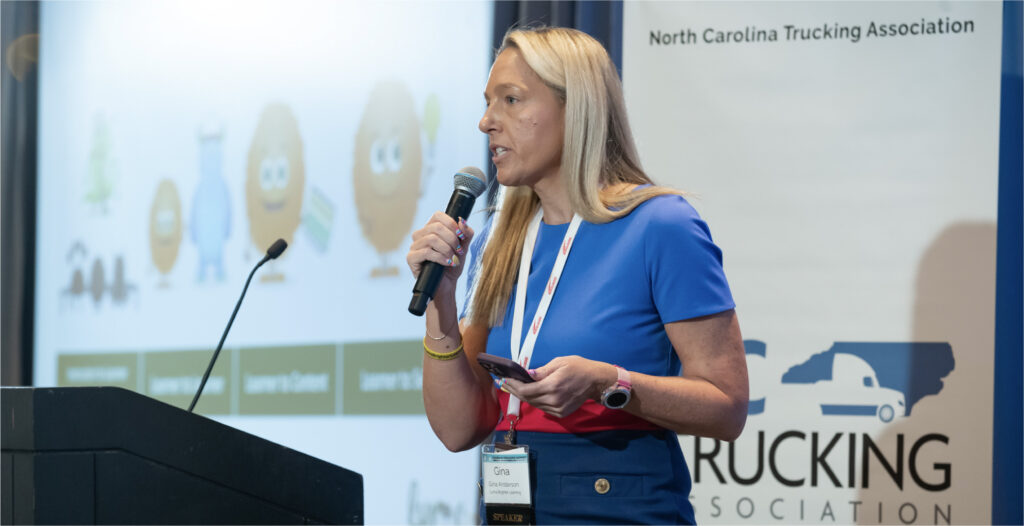
In today’s fast-paced world, adult learners face more information than their brains are equipped to process. Effective Adult Learning Strategies in an Age of Information Overload explores the latest research on learning science and human cognition, particularly how memory works and why cognitive overload is so common.
During this interactive session, participants will experience the limits of human memory firsthand through engaging activities that reveal how information overload and selective attention impact learning. By understanding these cognitive constraints, educators and trainers can design learning experiences that are more effective, sustainable, and motivating.
Outcome
- Attendees will leave with practical, research-based strategies they can immediately use to reduce memory barriers, strengthen learner engagement, and inspire adults in any professional or educational setting.
Thrive: How Learning Can Ignite a New Way Forward
This presentation is based on Dr. Anderson’s 2025 #1 Best New Book Seller on Amazon and focuses on how to build cognitive connections internally and externally to create a mind of a champion. This is a motivational presentation aimed to help the audience rediscover their true self and help discover their minds. The power of our minds can lead the audience to a new day where they can feed our souls—and thrive.
Outcome
- Participants will walk away with learning strategies to help the audience reconnect with themselves and others, refocus their energy, recharge their mind, recreate a new beginning, and reignite their soul.
- Depending on group size, Dr. Anderson will bring copies of her 2025 book for prizes and, if funded, copies for the audiences.
Breaking Barriers: Harnessing Neuroscience and Coaching for Lasting Change Across Generations
Generational differences are usually examined through psychological or sociological lenses. However, it is interesting to consider how understanding neuroscience and our brains can open up new perspectives on how to leverage individualized learning strategies for building impactful coaching programs. The need for reform in education in trucking and logistics is called out because of the critical need to change behaviors when drivers know not to do certain things (like texting and driving or speeding), but continue to exhibit these behaviors which can result in loss of property and even worse, death. This presentation will share neuroscience considerations and how these considerations are critical to create impactful coaching strategies, and how one client implements such strategies for impactful change at their organization.
Outcome
- Participants walk away with ideas on how critical coaching is for learning.
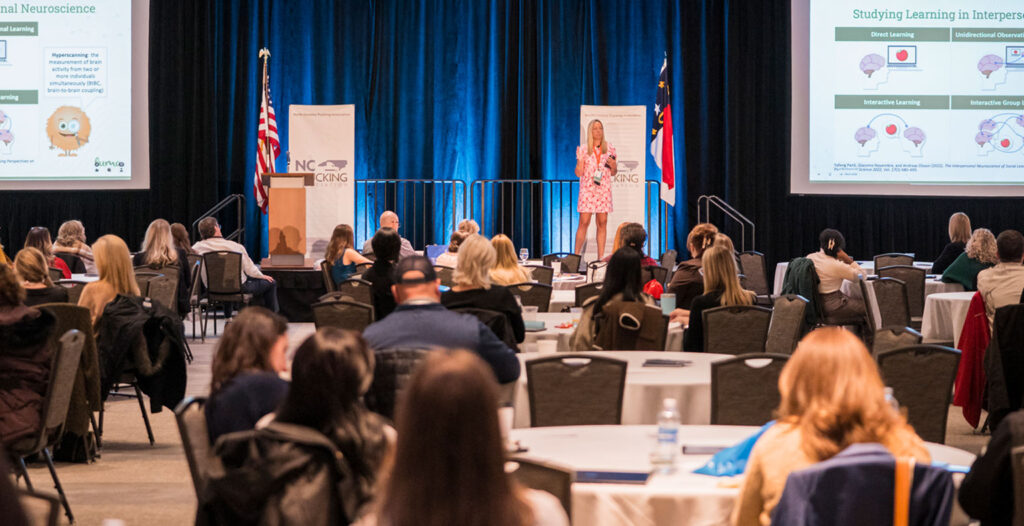
Social Learning and the Brain: The Key to Unlocking Engagement, Retention, and Health
What if the key to deeper learning, better engagement, and improved well-being isn’t more content, but stronger human connection?
In this highly interactive and research-informed session, Dr. Gina Anderson, learning scientist and author of Thrive: How Learning Can Ignite a New Way Forward, explores how social learning directly shapes the brain, influencing engagement, memory, emotional health, and overall wellness.
Blending neuroscience, interpersonal learning research, and real-time participant interaction, this session invites attendees to experience the power of social learning, not just hear about it.
Participants will:
- Examine the cognitive and emotional impact of smartphone use, social disconnection, and modern stressors.
- Connect learning science to the Eight Dimensions of Health, highlighting why social connection is essential to wellness.
- Participate in hands-on social learning activities designed to increase emotional resonance, self-awareness, and motivation.
- Walk away with her book and practical, research-backed strategies for integrating social learning into classrooms, workplaces, and everyday life.
Come curious. Leave energized. Experience how social learning doesn’t just change what we know, it changes how we feel, connect, and thrive.
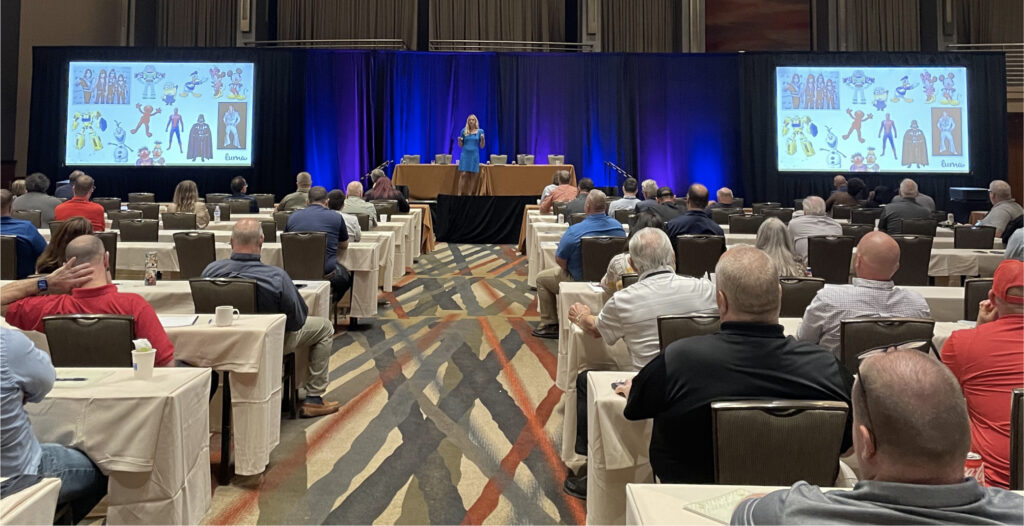
Creating Game-like Learning Approaches that Motivate People to Achieve their Learning Goals
This presentation invites attendees on an enlightening journey to explore innovative game-based learning approaches, specifically designed to enhance motivation among adult learners. Central to this exploration is the application of learning science principles, ensuring that these techniques are both effective and engaging.
A key highlight of the session is the interactive exploration of how our brain’s neurotransmitters play a crucial role in influencing learner engagement and attention. This insight is pivotal in understanding and leveraging the psychological aspects of learning.
Moreover, the session is not just theoretical but also highly practical. It offers nine specific, actionable tips that participants can immediately implement. They will walk away with 52 tips to take back to their organization. These tips are crafted to be easy to understand and apply, making them highly valuable for practical use.
Outcome
- The participants will all receive a game-deck of cards of 52 tips.
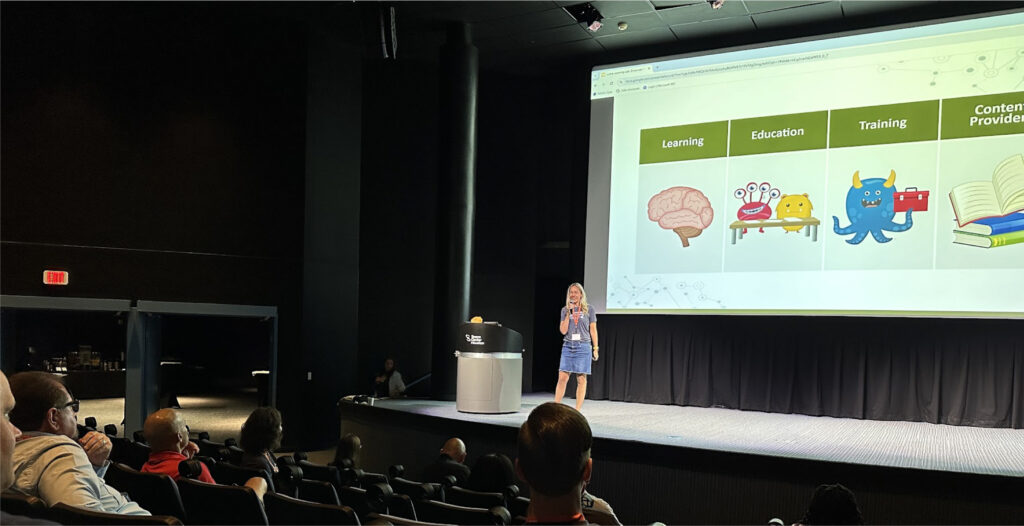
The Link Between Wellness, Retention, & Safety
- Health and wellness are crucial to safety. The Eight Dimensions of Wellness are presented.
- Participants will be involved in an exercise where they write down the top 3 things they want to learn about.
- Key research is presented on what wellness topics align to drivers interests.
Outcome
- Participants will be provided with 5 ways they can differentiate instruction to individualize wellness programs.
- A resource will be provided that outlines 4 different fleet’s wellness programs.
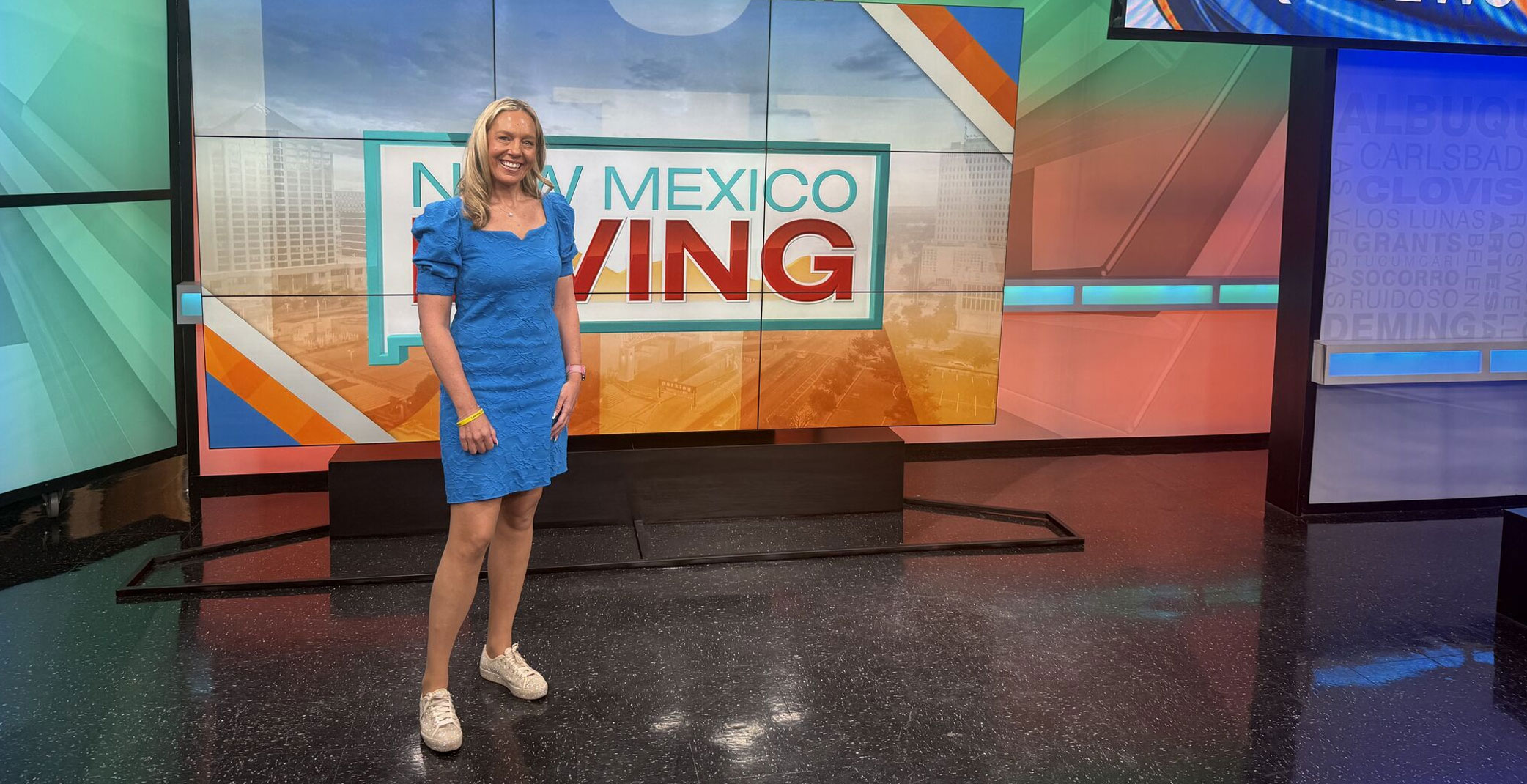
Harnessing Neuroscience and Coaching for Lasting Change Across Generations
This presentation explores the intersection of neuroscience and coaching methodologies to facilitate enduring behavioral change across different generations. It shares how understanding brain functions can enhance coaching strategies, leading to more effective communication, learning, and transformation within diverse age groups. The session aims to equip participants with insights and tools to apply neuroscience-informed coaching techniques in various settings.
Outcome
- Gain insights into how brain processes influence habits and behaviors, and how this knowledge can inform coaching practices.
- Participants will walk away with 5 strategies and 2 white papers that were published in 2025 to share specific coaching strategies and motivational interviewing techniques. This aligns to why we created Luma Navigator.
Reducing Risky Driving Through Motivational Interviewing
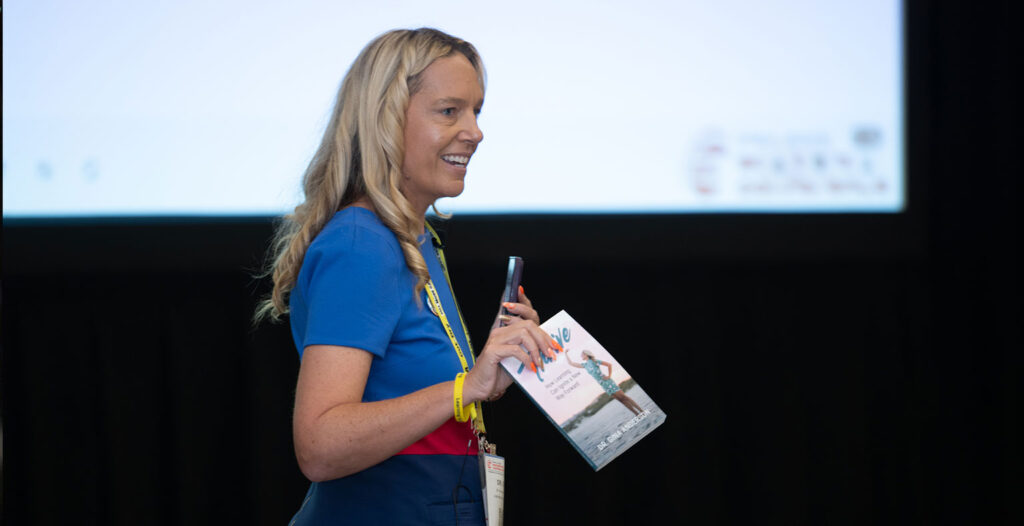
Work-related vehicle crashes are a leading cause of workplace fatalities, and they’re often driven by speeding, distraction, and complacency. In Reducing Risky Driving Through Motivational Interviewing , Dr. Gina Anderson of Luma Brighter Learning delivers an interactive session on how the use of motivational interviewing techniques and cognitive behavioral coaching transform safety training. By emphasizing empathy, intrinsic motivation, and reframing risky thoughts, their approach strengthens safety cultures, empowering drivers to make safer choices that reduce incidents and save lives.
Outcome
- Apply motivational interviewing and cognitive behavioral coaching to empower drivers, reduce risky behaviors, and strengthen safety culture in transportation.
- Walk away with practice tips on how to use motivational interviewing at their fleet.
Rethinking Orientation: Building Better Beginnings for the Next Wave of Talent
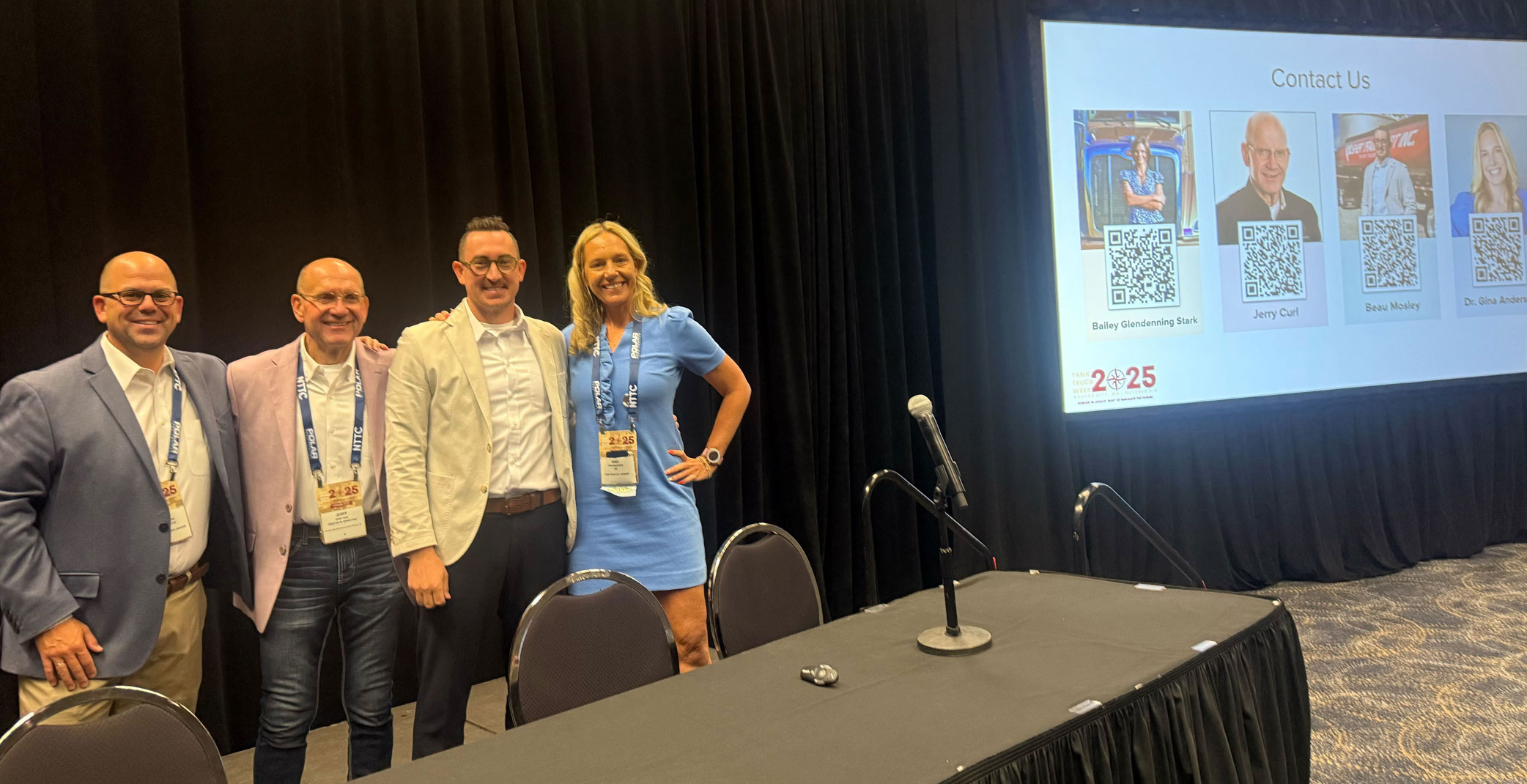
Traditional orientations, often multi-day, lecture-heavy sessions with PowerPoint slides, fail to align with how adults learn best. Research shows that within one hour, most learners forget half of what they hear, and the rest quickly fades unless it connects emotionally or personally. This approach taps only one of the five learning interaction modes: learner-to-instructor.
To create lasting learning and behavior change, we must design orientations that respect cognitive capacity and promote engagement, reflection, and application. By incorporating online learning, peer collaboration, and spaced reinforcement, companies can dramatically improve retention, safety, and job performance.
The session explores four evidence-based redesign models and at the end the participants will be able to:
- Identify the limits of traditional orientations and explain why lecture-heavy formats are ineffective for adult learners.
- Recognize cognitive overload and describe how small design changes can enhance knowledge retention and behavior change.
- Implement blended learning models (online laboratory, flipped classroom, group rotation, field-blend repository) tailored to their workforce needs.
From Resonance to Responsibility: Learning That Changes Us
Some learning disappears as quickly as it arrives. But other moments stay with us for years, a voice, a song, a scene, a single sentence we can still replay in our minds. That isn’t an accident. It’s emotional resonance, and it’s one of the most powerful, yet underused tools we have for creating learning that truly sticks.
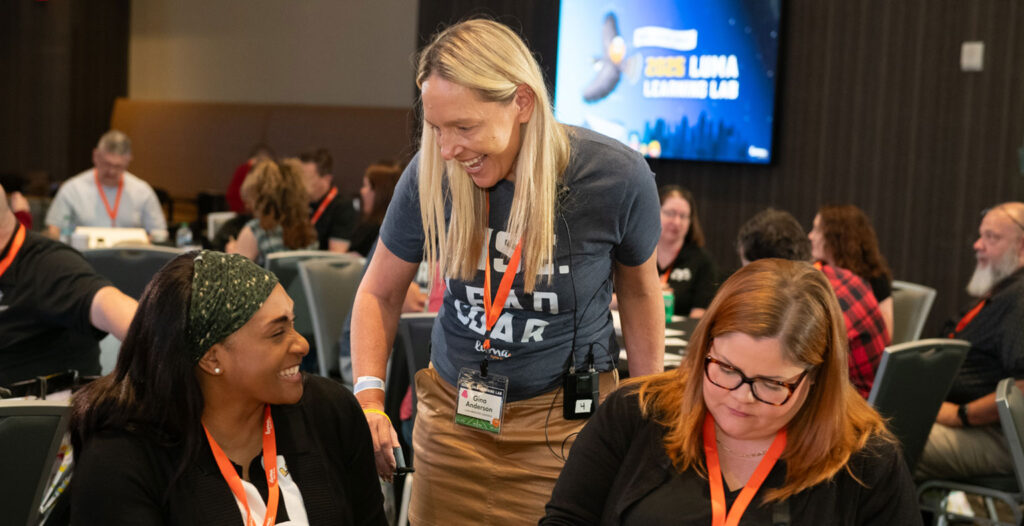
In this highly interactive session, Dr. Gina Anderson blends learning science with memorable, real-world examples using music, video, and experience-based prompts to demonstrate how emotional connection strengthens attention, retention, motivation, and real-life follow-through. Together, we’ll explore why learners remember more when they feel something meaningful and how intentional design can turn everyday training into moments that matter
Participants will define emotional resonance in the context of learning and explore why it matters: emotions don’t distract from learning, they often drive it. When learners feel seen, experience relevance, and connect content to real stakes, they pay closer attention, remember content longer, and are more likely to apply what they’ve learned. In other words, resonance doesn’t require drama. Resonance requires meaning.
- Create connection through micro-moments that immediately draws learners in.
- Inspire a commitment to change by using a real-life, emotionally relevant example that resonates across the room and makes the “why” unforgettable.
- Use human-centered framing to transform rules and reminders into meaningful choices grounded in real-world consequences and values.
- Leave with practical strategies you can apply right away to design learning experiences that stick in your classroom, training, or workplace.
Built by People: Strengthening the Workforce That Powers the Industry
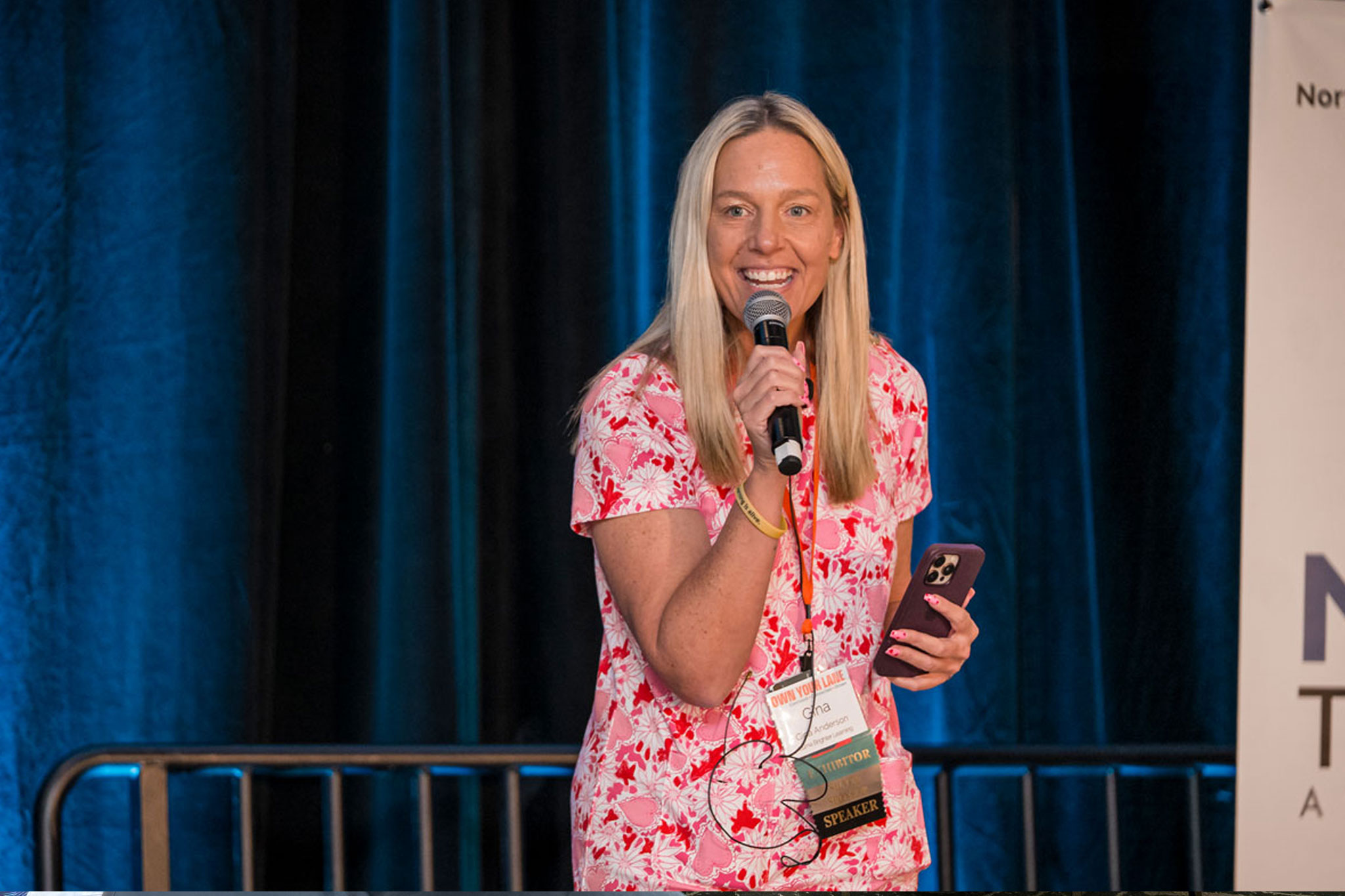
The industry’s future depends on people. This session focuses on evolving workforce development needs. This talk will explore how to foster a workplace culture where teams can grow and succeed. It will share opportunities for recruitment, career growth, and authentic ways to connect with your work force.
Dr. Gina Anderson challenges the belief that happiness at work/school is something we earn only after reaching the next promotion, earning more money, or completing more projects. Through conversations with employees who rated their workplace happiness a 10, she discovered that they were not free from stress, challenges, or the desire to grow; instead, they experienced connection, meaning, and growth simultaneously. Learning science helps explain an important paradox: we can value who we are today while continuing to learn who we can become tomorrow. The idea invites us to stop postponing happiness, stop using someone else’s life as our answer key, and recognize that being fulfilled and unfinished can coexist.
Have other ideas for talks on learning? Just reach out to Dr. Gina Anderson to tailor the talk.